
Halloween is one such holiday that immediately creates the excitement of costumes, candy, creepy decorations and fun at night. However pumpkins and trick or treating are not the only things when it comes to Halloween, have you ever wondered the origin of Halloween? How did all these traditions come to start in the first place and also why do we celebrate it?
Halloween history is fascinating because it has its origins, festivals of this ancient period, religious impact and the cultural meaning it bears today. Let us delve deep into the history of Halloween…
Halloween Origins: Where It All Began
The story of Halloween goes way back long before candy filled bags and haunted houses. Over 2000 years ago in Ireland the Celts held a festival called Samhain pronounced sow-in. The Samhain celebrated the end of the harvest and the beginning of winter. People believed that during this time period the line between the living and the dead grew thin allowing spirits to walk the earth. To stay safe they lit big bonfires and also dressed in disguises.
This mix of fear and mystery and celebration became the early roots of today’s Halloween traditions…
Pagan Rituals and the Spiritual Beliefs
The Celts were deeply connected to their pagan rituals. During Samhain they offered food to spirits, marked the change of seasons and even tried to predict the future. These spiritual practices shaped many traditions that lasted through the centuries…
Funny enough the early Halloween origins had nothing to do with candy or dressing up. They were really about life, death and the natural cycles of the seasons. And if you look around today you can still feel that old harvest festival spirit pumpkins on porches and apples in pies and all those cozy autumn colors everywhere.
Christian Influence and the Transformation of Halloween
As Christianity spread through Europe the Church started weaving its traditions into the old pagan ones. By the 8th century Pope Gregory III decided that November 1st would be All Saints’ Day also called All Hallows’ Day to honor saints and martyrs. Naturally, the night before October 31st became known as All Hallows Eve which over time turned into the name we all know today: Halloween…
The bestest thing about this is that the fusion of the Christian influence with the pagan rituals did not eradicate the older customs although it just transformed them.That is why Halloween continues to carry both a sense of tradition and a playful spooky charm we all enjoy.
Halloween Traditions Through the Ages
Over the time Halloween became a mix of both sacred and playful customs. Let us look at some traditions that evolved and how they became part of modern life:
Trick-or-Treating
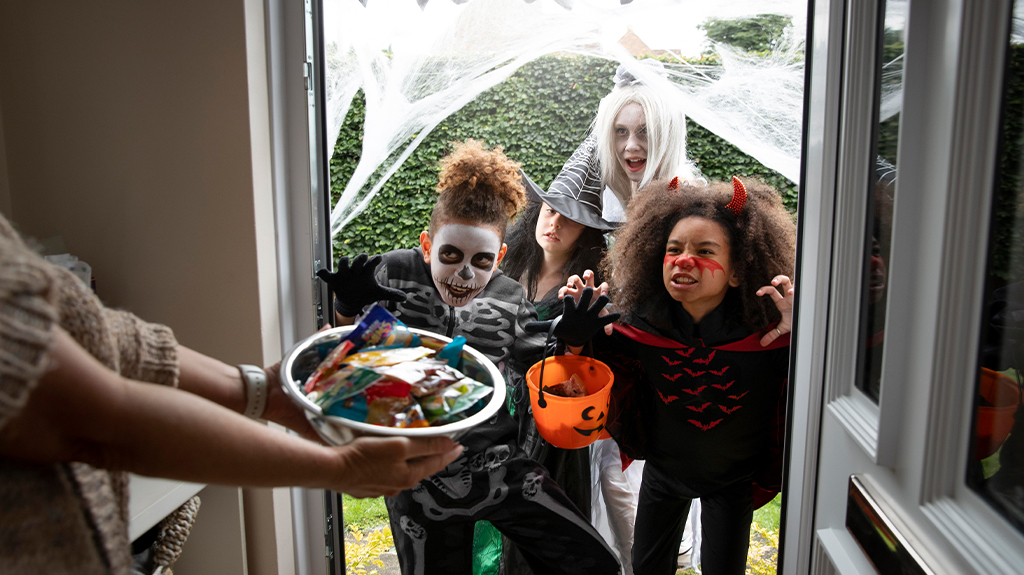
The beloved custom of trick or treating is believed to have roots in medieval Europe. People practiced “souling” where children and poor individuals would go door to door offering prayers for the dead in exchange for food. When Irish immigrants came to America this practice blended with local customs and slowly turned into what kids enjoy today asking for candy in fun costumes.
Jack-o’-Lanterns
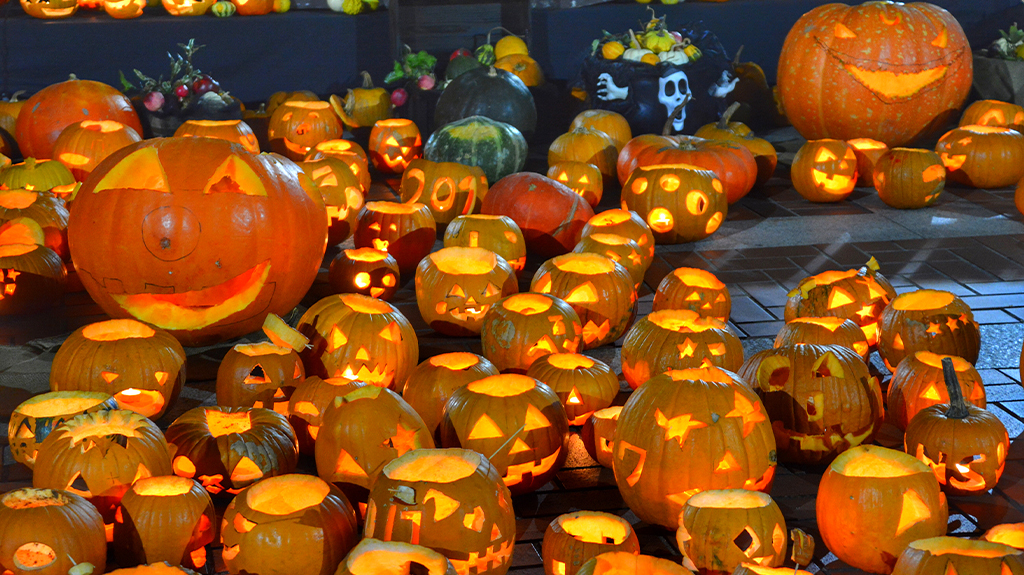
The Jack-o-lantern’s we carve today originated from an Irish legend about “Stingy Jack” a man who tricked the devil and was doomed to roam the earth with a lantern carved out of a turnip. When Irish immigrants came to the US they found pumpkins to be easier to carve and the tradition stuck.
Costumes and Parties
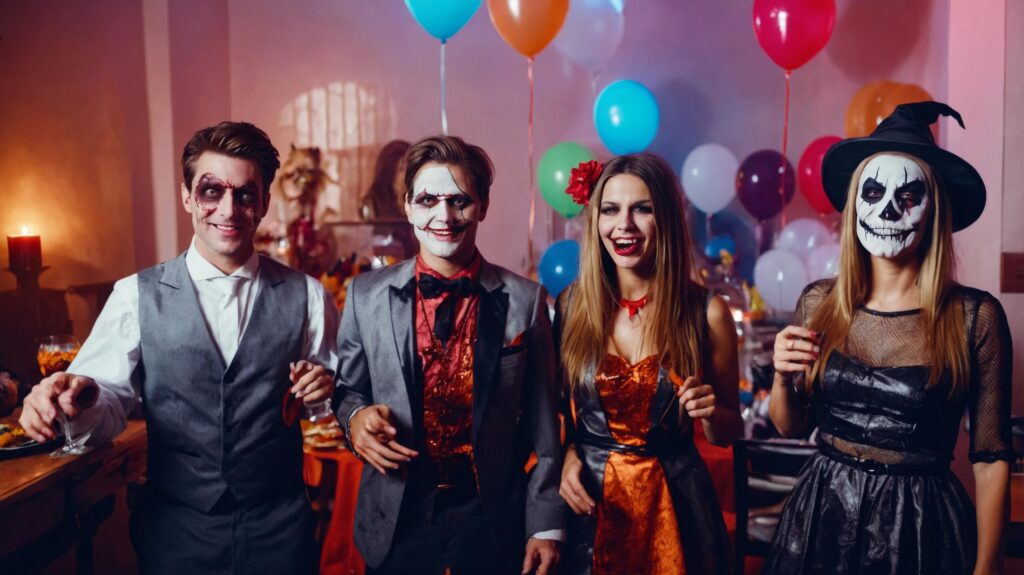
Back then people dressed up to scare spirits away. Today we dress up to show off our most creative and also sometimes funniest looks. Costumes have always been at the heart of the Halloween traditions. By the early 1900s in America the fun grew into full on Halloween parties, complete with games, treats and spooky decorations that made the night even more unforgettable…
Ireland’s Role in Shaping Halloween
Discussing the historical background of Halloween is not feasible without acknowledging the contribution of Ireland. The festival of Samhain of the Celtic people was originally from there and the place where folks first illuminated fires, exchanged eerie stories and even carved lanterns.
After that, these customs were brought to America by the Irish immigrants who moved to the US in the 1800s. From there Halloween gradually spread to the large, imaginative, communal wide celebration we use to witness nowadays.
The Cultural Significance of Halloween Today
So here is the thing Halloween is not just about the candy or costumes though those are fun. The real cultural significance of the Halloween is how it pulls people together. It’s this holiday that sparks creativity, encourages communities to celebrate as one and keeps some very old traditions alive in fresh ways.
With time, Halloween has also been Haunted by being a significant part of pop culture, not only Movies and books but also fashion and business have been influenced by it. The holiday has become a serious entity from scary movie marathons to the brilliant marketing campaigns and the evolution has been going on while still keeping the haunting and fun facets of its roots.
Harvest Festival Roots in Modern Celebrations
If you notice autumn foods like pumpkins, apples and corn are everywhere during Halloween. The main reason would be that Halloween is still closely linked to its agricultural background through its harvest festival heritage. Witch hunts, cider picking and harvest goodies like pumpkin pie are all new ways for us to experience and remember the old agricultural roots from which the holiday came.
This is an excellent case of an old celebration managing to keep both its identity and relevance through time.
Halloween Around the World
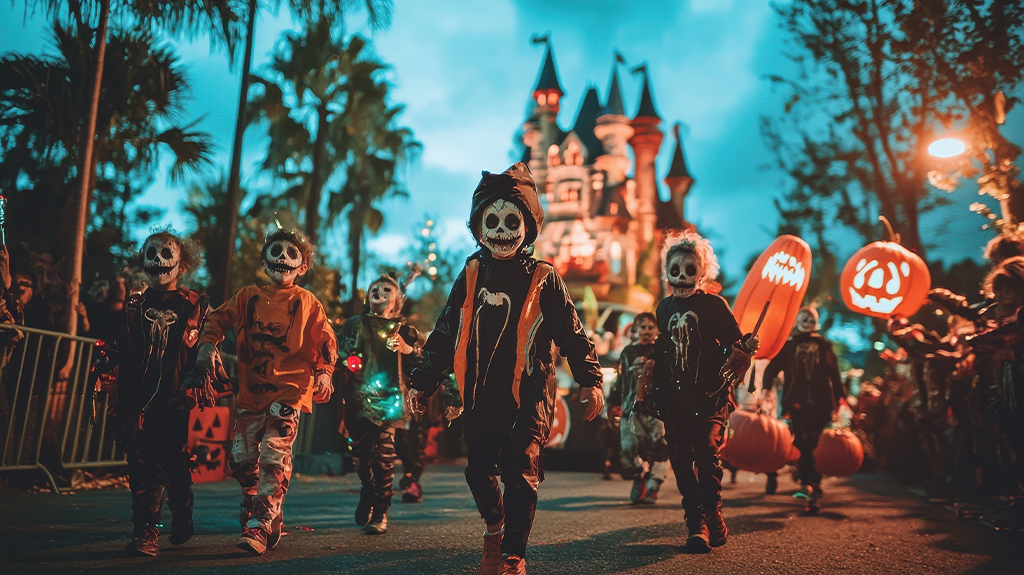
While Halloween is most widely celebrated in the US it is not limited to just one country. In Ireland and Scotland people continually hold bonfires, games and parties to mark the event. Whereas in Mexico, Día de los Muertos (Day of the Dead) is a festival which coincides with All Saints’ Day and has almost the same idea of revering the dead.
These worldwide relationships demonstrate that the Halloween origins are found in different peoples and each one is adapting the holiday in its own way but keeping the spirit.
All Saints’ Day and a Long-lasting Place
We should remember the part of All Saints’ Day in the formation of Halloween. It is still a major religious holiday in many Christian communities and is celebrated on the 1st of November. On the other hand Halloween is about dressing up and having fun, All Saints’ Day is about memory and acknowledging the saints.
The combination of celebration and reflection indicates how the Christian influence and the pagan rites had blended giving rise to a holiday that is both significant as well as entertaining.
How Commercialization Shaped Modern Halloween
Today Halloween is big business costumes, candy, decorations and parties generate billions of dollars each year. Brands and retailers run the special campaigns, discounts as well as promotions during the season. For example platforms like easycouponsfinder makes it easier for the families to enjoy the holiday without overspending by offering special deals on Halloween items.
This modern commercial side may seem very different from the old Celtic festival but it reflects the same spirit of community and festivity just in a new form.
Why We Still Celebrate Halloween
The question remains: why do we still celebrate the Halloween after all these centuries?
The solution is buried in the very capability of the event to change its character. Halloween has always mirrored the changing needs of humanity from scary rituals and religious influence to an entertaining modern holiday. Its capacity to retain its cultural importance while undergoing transformation is probably the most interesting historical holiday.
Conclusion
Halloween is no longer the night of costume and candy only. It’s a holiday that has gone through different stages in its history. This is a holiday that was first known as the Celtic festival of Samhain then was converted by the church and finally was enriched by the practices of the trick or treat and the Jack-o-lantern. From All Hallows Eve to All Saints Day the holiday is the mixture of different beliefs as well as customs that still link the present with the past.
Seeing it as a harvest festival, an opportunity for enjoyable activities or a significant cultural event, Halloween still maintains its importance in our lives. Moreover as it gets more popular, easycouponsfinders are there to help us realize that it does not have to be expensive to celebrate—it’s just about creating memories, paying homage to history and getting pleasure from the season with each other.
That is to say, next time when you put on your costume or pumpkin carving, you will have the knowledge that you are continuing a tradition that has been going on for thousands of years and is still happening.
